
A big storm rolls through Berks County, and the next morning you are standing in your yard looking up at a tree that suddenly looks a little different. Maybe it is leaning more than you remember. Maybe there is a crack near the base that was not there last season. It is easy to talk yourself into thinking it is nothing, especially when the tree still has leaves and looks healthy from a distance. But trees do not always show trouble in obvious ways, and by the time a problem is visible, the risk to your home, your family, or your neighbors may already be serious. At Arbor Max Tree Service, our ISA certified arborists inspect trees across Reading, PA and Berks County every week, and the same warning signs come up again and again on properties of every size. Here are the signs that tell you it is time to call a professional about tree removal, before a small problem becomes an expensive one.
Structural Warning Signs That Signal Tree Failure
Some of the clearest warning signs show up in the tree’s structure itself. A tree that looks solid from your kitchen window can still be failing underneath the bark, and structural problems tend to get worse quickly once they start. Catching these signs early gives you options, including pruning, cabling, or extra support that may extend the tree’s life. Waiting usually narrows those options down to just one, removal. The listed structural signs below are the ones our crews are asked about most often.
Deep Cracks or Splits in the Trunk
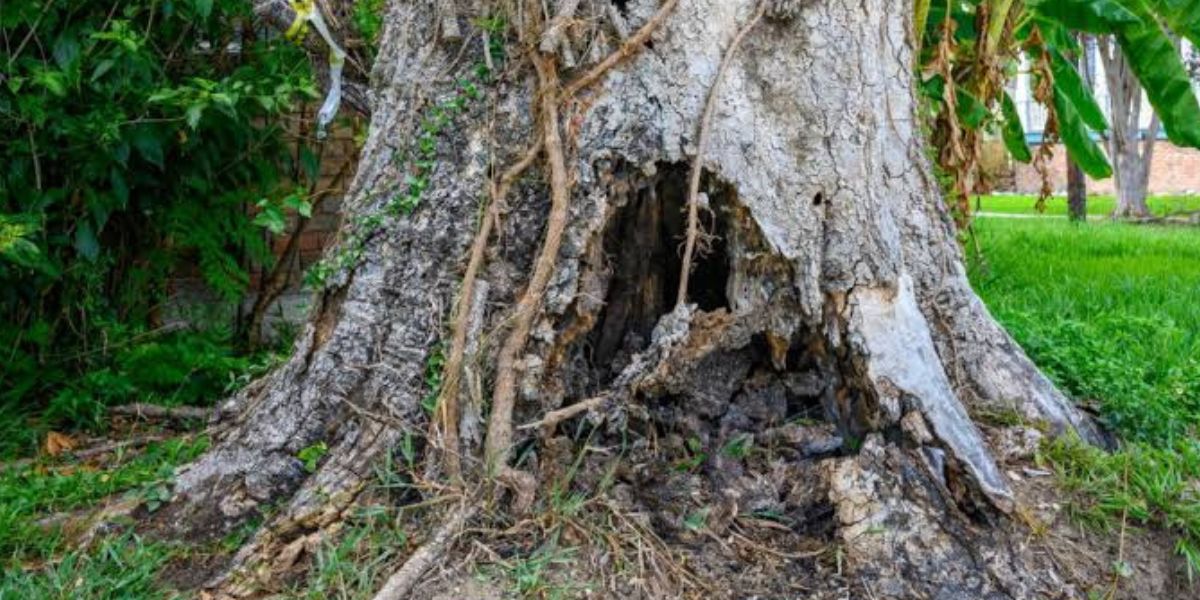
A crack or split running along the trunk is one of the more serious signs we look for. These cracks weaken the tree’s ability to support its own weight, and they often widen during high wind or heavy snow. If you can see daylight through a crack, or if the crack runs more than a few inches, treat it as urgent and call for an evaluation. Small cracks can sometimes be monitored, but a deep or widening split usually points toward removal rather than repair.
A New or Worsening Lean
Every tree has a slight natural lean, and that is usually nothing to worry about. A lean that shows up suddenly, or one that keeps getting worse each season, is a different story. It often means the root system underneath has been compromised by storm damage, saturated soil, or decay. A tree that has started leaning noticeably in the past year should be inspected as soon as possible, especially if it is near your house, driveway, or a spot where people spend time.
Signs of Disease, Decay, and Root Damage
Disease and decay rarely announce themselves all at once. Instead, they show up in small clues that are easy to miss if you are not looking for them. The Arbor Day Foundation’s guidance on recognizing when a tree needs to be removed points out that large dead branches, sometimes called widow makers, can fall with little warning and are one of the most dangerous signs a homeowner can overlook. Fungus and shifting soil are two more clues worth learning to recognize.
Fungal Growth at the Base of the Trunk
Mushrooms or shelf like fungus growing at the base of a tree usually mean internal decay is already underway. By the time fungus is visible, the wood inside the trunk may be soft, hollow, or significantly weakened. This does not always mean the tree needs to come down immediately, but it does mean a professional should take a close look before you decide the tree is safe to leave standing.
Cracked or Heaving Soil Near the Root Zone
Trouble underground often shows up first as changes in the soil. Cracked, raised, or heaving ground near the base of a tree can mean the roots are pulling away from the soil, which is a strong indicator of instability. This is especially concerning after a heavy storm, when saturated ground makes root failure more likely. If you notice the soil shifting around a tree’s base, it is worth having someone look at the tree’s root system before the next round of severe weather.
When Location Turns a Healthy Tree Into a Liability
Sometimes a tree is not sick or structurally unsound. It is simply in the wrong spot. Location matters just as much as tree health when it comes to deciding whether removal makes sense, and a handful of situations come up again and again in Berks County yards.
Trees Growing Into Power Lines or Roof Lines
A tree that has grown into power lines creates a hazard that goes beyond your own property. Contact with electrical lines can cause outages, fires, or serious injury, and utility companies will often require pruning or removal in these cases. Trees growing directly over a roofline present a similar concern, since falling limbs or a full tree failure can cause significant damage in a single storm. In situations like these, a crane assisted removal is often the safest way for our crew to take the tree down without damaging your home or the surrounding landscape.
Storm-Weakened Limbs Over Driveways and Walkways
Limbs that have already been stressed by wind, ice, or heavy rain are more likely to fail the next time severe weather rolls through. When those limbs hang over a driveway, walkway, or anywhere people regularly stand or park, the risk goes up significantly. A tree evaluation can tell you whether targeted pruning is enough or whether the tree itself needs to come down, so you are not left guessing during the next round of storms.
How Much Does Tree Removal Cost in Berks County, PA?
Tree removal costs vary depending on the tree’s size, its location on your property, and how much access our crew has for equipment. A smaller tree away from structures is generally more affordable to remove than a large tree growing near a home, fence, or power line. Trees that require a crane assisted removal because of tight spacing or height typically cost more due to the specialized equipment involved, and stump grinding or extra cleanup can also affect the final price. The most reliable way to get an accurate number is a free, no obligation estimate, where one of our certified arborists can evaluate the tree in person and walk you through the pricing before any work begins.
Can a Damaged Tree Be Saved Instead of Removed?
Sometimes, yes. A tree with a single dead branch, mild disease, or early signs of stress can often be treated through pruning, cabling, or a professional treatment plan rather than full removal. The deciding factors are usually how much of the tree is affected, where the damage is located, and whether the tree poses a risk to people or property in the meantime. A professional tree evaluation is the best way to find out whether your tree can be saved or whether removal is truly the safer choice. Waiting too long to get that evaluation is often what turns a treatable problem into an emergency that costs more to fix.
How Long Does Professional Tree Removal Actually Take?
Most residential tree removals in Berks County are completed within a few hours once our crew arrives on site. Larger or more complex jobs, including crane assisted removals near structures or power lines, can take longer because of the extra planning and equipment involved. Weather, tree size, and how much cleanup you would like included all affect the overall timeline. We always walk you through what to expect before the day of the job so there are no surprises once the work begins.
The Bottom Line on Tree Removal Warning Signs
Most tree failures do not happen out of nowhere. They usually follow warning signs that were there for weeks or months beforehand, whether that is a new lean, a crack in the trunk, or fungus growing near the base. Catching those signs early gives you more choices and more control over the outcome, instead of dealing with storm damage after the fact. If any of the signs above sound familiar, it is worth having a certified arborist take a look before the next storm rolls through Berks County. Our team has spent over 15 years helping homeowners across the region make that call with confidence, not guesswork, and we treat every property like it is our own. Reach out to schedule your free tree removal estimate and we will help you figure out exactly what your tree needs.