
Arbor Max Tree Service provides commercial brush clearing throughout Berks County. Property managers, HOA boards, municipalities, schools, general contractors, and utility agencies bring us in when overgrown fence lines, detention basins, common areas, or vacant lots have gone from a maintenance item to a visible problem.
Brush does not stay contained. A thin line of multiflora rose or autumn olive along a property boundary can spread into a dense wall within a couple of seasons, and once it does, it hides drainage issues, invites ticks and other pests, blocks sightlines at driveways and intersections, and makes a property look neglected to tenants, customers, and inspectors alike. Clearing it early is far less expensive than clearing it after it has taken over an acre of unused ground.
Commercial Brush Clearing Services in Berks County
Our crews clear brush, invasive vines, saplings, and dense undergrowth from the areas that matter most on a commercial site: retention and detention basins that need to drain properly, fence lines and property boundaries, stormwater easements, vacant pads awaiting development, and common areas an HOA board is responsible for maintaining. We size the equipment to the job, using hand crews and brush saws for tight or sensitive areas and heavier mechanical clearing for larger overgrown parcels, so the property gets a clean result without unnecessary disturbance to healthy trees or landscaping nearby.
Much of the brush we clear across Berks County is invasive rather than native, including multiflora rose, autumn olive, oriental bittersweet, and Japanese barberry. These species outcompete native vegetation, spread quickly onto neighboring parcels, and often come back from the root if they are only cut and not properly managed. We follow guidance consistent with Penn State Extension's published research on invasive shrub identification and control so a property gets a clearing plan that actually reduces regrowth rather than a quick cut that needs to be repeated every year.
Why This Matters for Commercial Property
A retail plaza with an overgrown detention basin risks a stormwater compliance issue when inspectors cannot verify the basin is draining correctly. A school district with brush encroaching on a fence line creates a security and visibility concern. A municipality maintaining a public right of way has a legal obligation to keep sightlines clear at intersections. An HOA board fielding complaints about an overgrown common area is managing a reputation problem as much as a landscaping one. We scope every clearing job to the specific reason it needs to happen, not a generic mow and cut.
Timing matters as much as technique. Cutting brush during the growing season without a follow up plan often triggers a heavier flush of regrowth the following spring, while clearing during dormancy and pairing it with a targeted follow up visit gives a property a real chance of staying clear for more than a single season. We schedule commercial clearing work around what each site actually needs rather than a single calendar approach for every property, and we tell a client up front when a one time cut will hold and when a maintenance visit the following year will save far more than it costs.

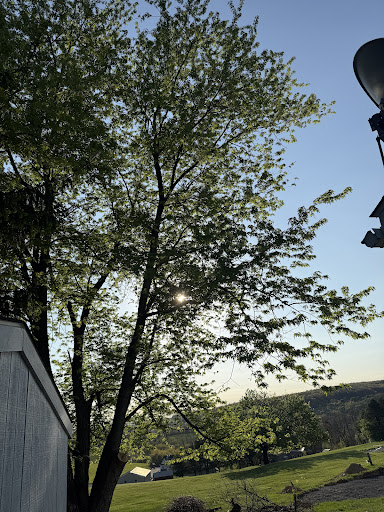
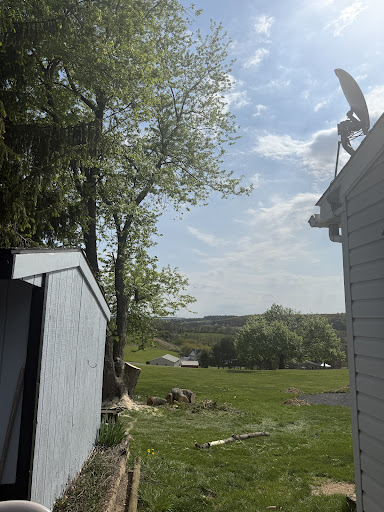
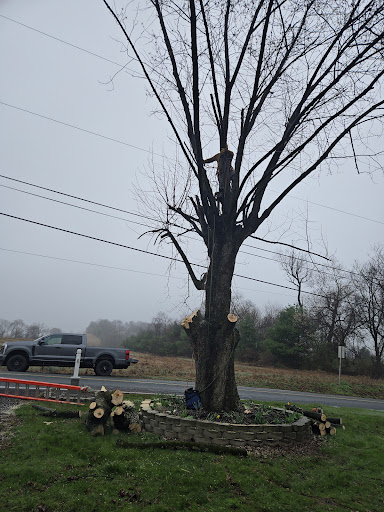
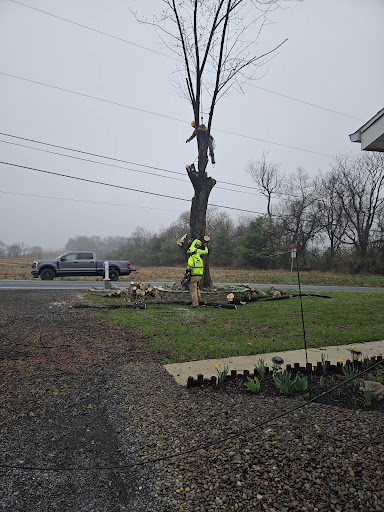
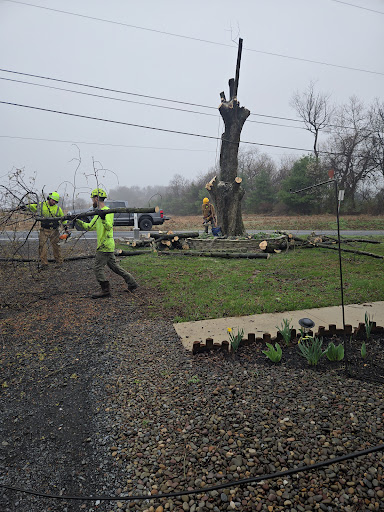
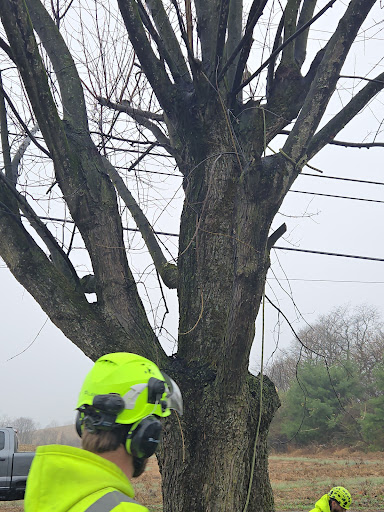
Clearing invasive brush and overgrowth on a commercial property in Wyomissing.
Why Property Managers and Public Agencies Choose Arbor Max for Brush Clearing
Brush clearing is rarely a standalone job on a commercial property. It is usually the first step before something else needs to happen: a land clearing project ahead of new construction, a forestry mulching pass across a larger acreage, or simply restoring access to an area that has not been maintained in years. Arbor Max scopes brush clearing as part of these larger projects whenever it makes sense, so a property manager or general contractor gets one estimate and one crew instead of coordinating separate vendors for each phase.
Our team follows an integrated approach to vegetation management rather than treating every overgrown area the same way. Research on integrated vegetation management practices shows that a plan built around the specific site, its soil, and the species present holds up far longer than a single cutting pass, and we apply that same thinking whether we are clearing a quarter acre fence line or a ten acre parcel for a municipality.
What a Commercial Brush Clearing Estimate Includes
Every estimate spells out the acreage or linear footage involved, the equipment and crew size required, debris disposal or chipping, and whether the area needs a follow up treatment to manage regrowth. We put this in writing before work starts so a property manager can bring a real number to a budget meeting instead of a rough guess, and so a board or municipal client has documentation on file if the clearing was tied to a compliance requirement or a resident complaint.
Access is often the deciding factor in how a job gets priced and scheduled. A detention basin behind a shopping center may only be reachable from one side, a utility easement may run behind several properties at once, and a municipal right of way may require coordination with a road crew or a traffic control plan before equipment can move in. We walk every site before quoting it so the estimate reflects what the crew will actually encounter, not a generic per acre number that changes once the equipment arrives.